Small codebases feel fast and simple because everything fits in one mind with few dependencies. As the system grows, new features interact with dozens of components, creating exponential failure modes, tighter constraints, and rising technical debt.
Lewis Kiganjo
Software Developer
Frontend Development Is More Than “Making Websites Look Good”
Most People Learn Frontend the Wrong Way
One of the biggest problems with learning frontend development today is that many beginners jump between random tutorials without fully understanding how websites actually work.
A tutorial teaches a navbar today, another teaches cards tomorrow, another explains animations next week, but eventually everything starts feeling disconnected.
For many people, frontend development ends up looking like copying designs instead of understanding systems.
Real frontend development is much deeper than that.
It is about building interfaces people can actually use comfortably, understand easily, and interact with naturally.
That means understanding structure, responsiveness, layouts, spacing, interaction, organization, and how different parts of an interface work together consistently.
And honestly, that understanding only comes through building real projects repeatedly.
Learn Frontend Through Real Projects
That is why we built a frontend development program focused on implementation instead of memorization.
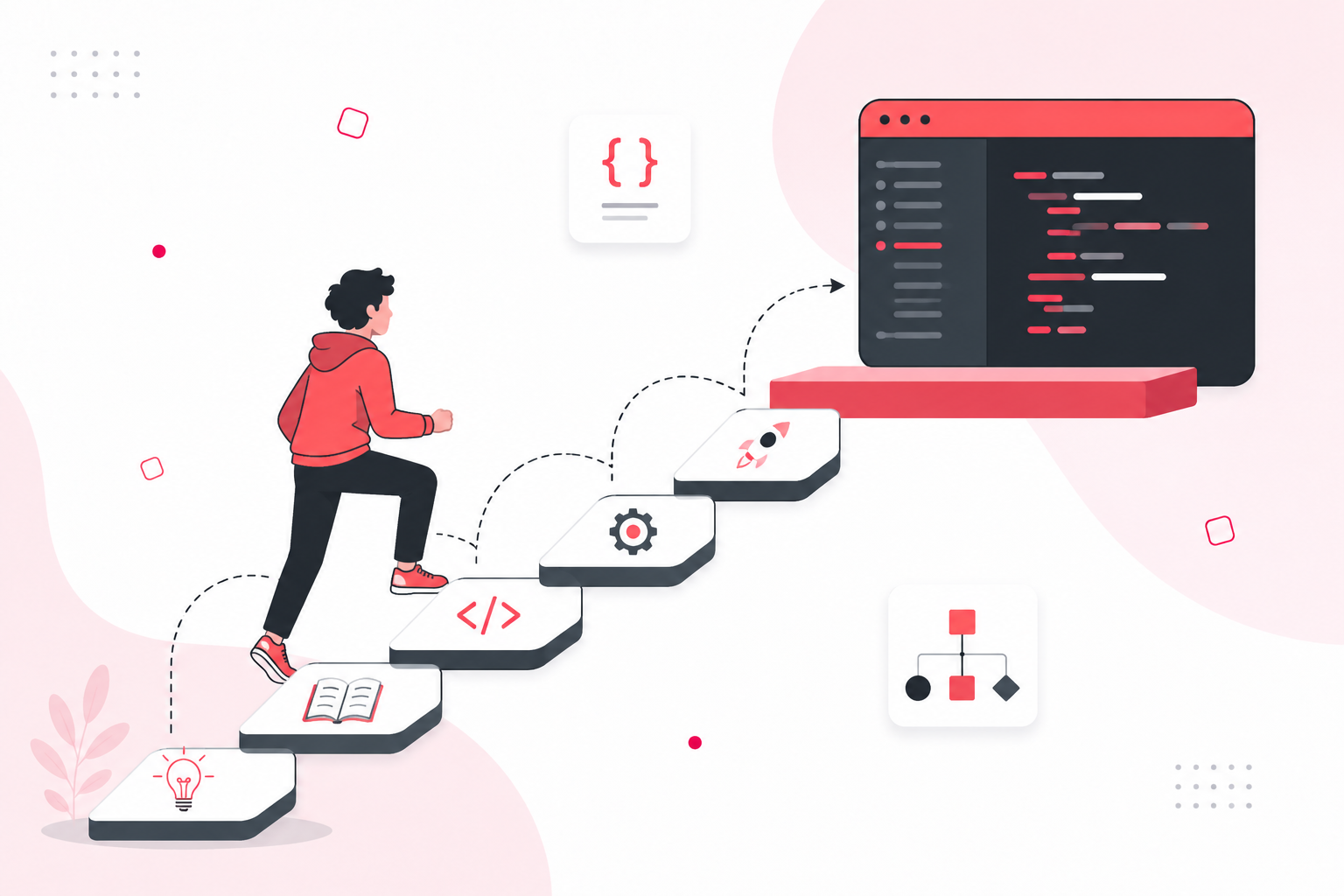
Instead of teaching isolated concepts randomly, the program walks you through two complete frontend projects progressively so you understand how modern frontend systems are actually built.
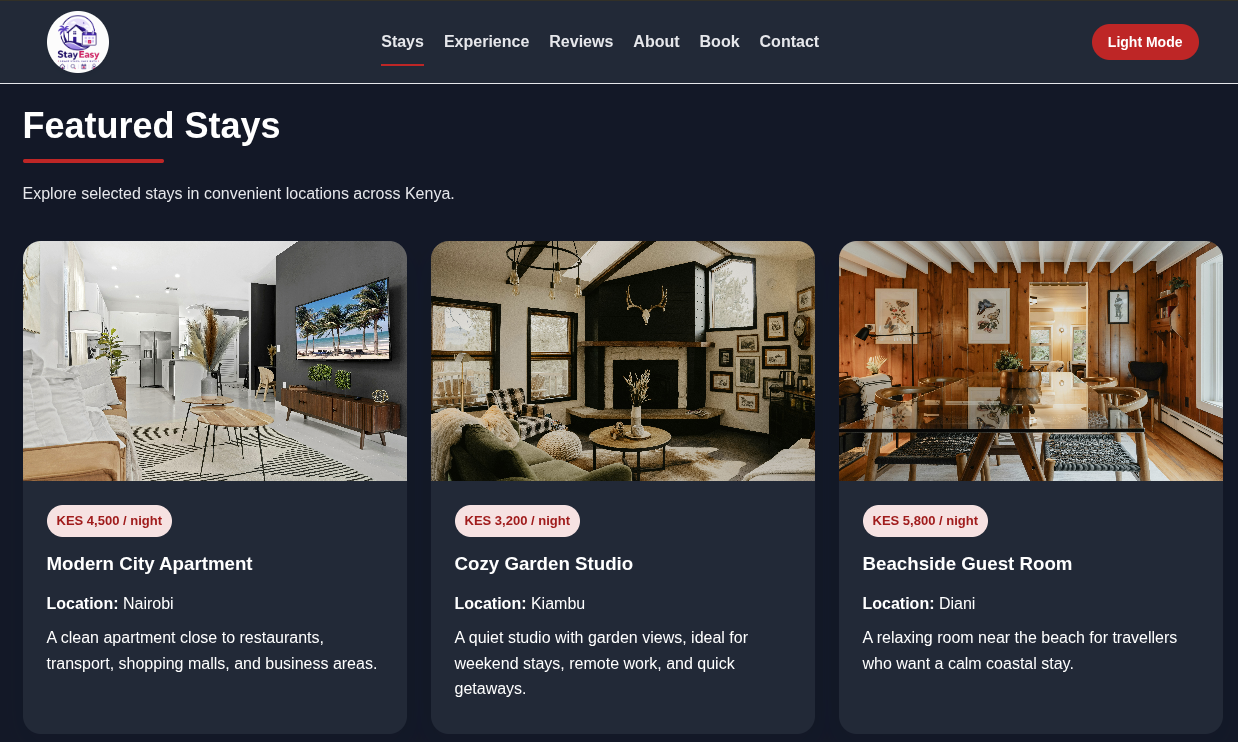
The first project is Stay Easy, an Airbnb-inspired booking platform.
Through Stay Easy, you begin understanding layouts, responsiveness, forms, navigation systems, interactive sections, frontend structure, and reusable UI patterns naturally while building a real project.
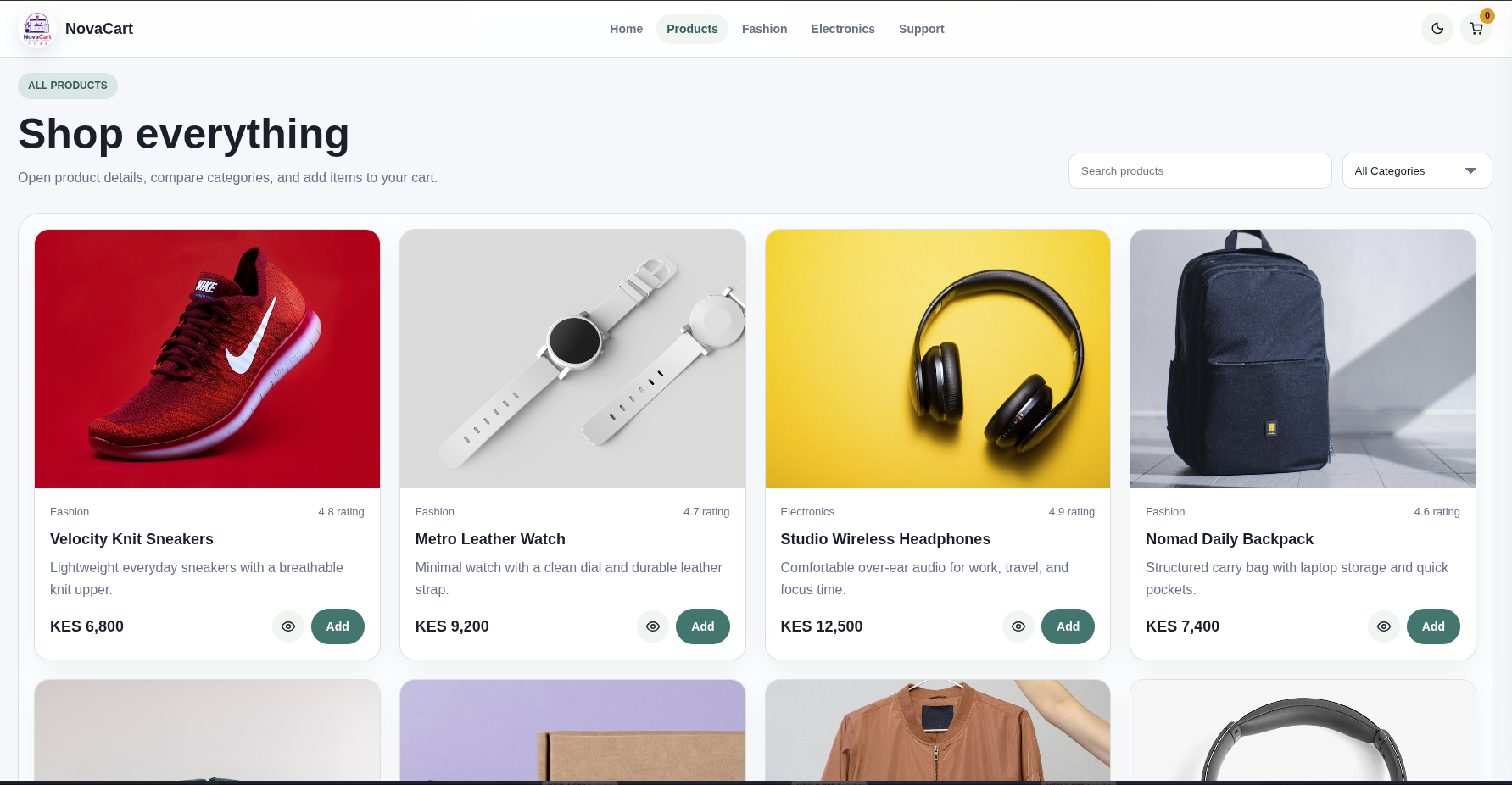
The second project is NovaCart, a more advanced ecommerce frontend project. novacart_ecommerce